



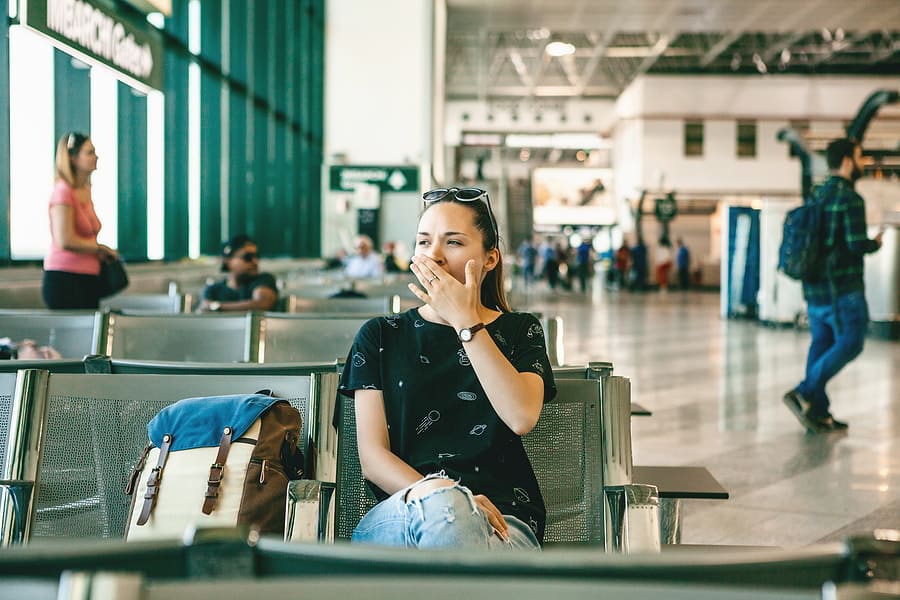
If you have ever stepped off a flight feeling tired, dry, foggy, nauseous, headachy, or strangely out of sync, you already know travel can take more out of you than the hours on the itinerary suggest. Some travelers are dealing with true jet lag. Others are dealing with travel fatigue from early flights, long airport days, poor sleep, stress, alcohol, salty food, and not enough fluids.
People searching for jet lag IV therapy are usually trying to feel functional again after flying. That makes sense, but it is important to be clear: IV therapy does not cure jet lag, reset your body clock, or guarantee fast relief. It may help support hydration and recovery when dehydration, nausea, fatigue, headache, or feeling depleted are part of the travel picture.
Vital Flow Infusions offers IV therapy in Sioux Falls in a comfortable downtown IV lounge setting. Treatments are administered by registered nurses with medical oversight, and the goal is practical support: helping you choose the drip that fits how you feel while your body recovers from travel.
What is jet lag?
Jet lag happens when your internal clock is still running on the time zone you left, while the world around you is operating on the time zone you entered. Mayo Clinic describes jet lag as a temporary sleep condition that can affect people who quickly travel across several time zones.
Your circadian rhythm helps regulate when you feel awake, when you feel sleepy, and how your body coordinates daily patterns like hunger and digestion. When you cross multiple time zones quickly, that timing gets disrupted. Your body may want to sleep in the afternoon, wake too early, feel hungry at strange times, or struggle to focus.
Jet lag is usually more noticeable when you cross two or more time zones, and symptoms often become more intense the farther you travel. Eastward travel can feel harder for many people because it often requires the body to fall asleep earlier than it wants to.
Common jet lag symptoms may include daytime fatigue, trouble falling asleep, waking too early, brain fog, headache, digestive upset, irritability, mood changes, or simply feeling off.
That said, not every bad post-flight feeling is true jet lag.
Jet lag vs. travel fatigue
Jet lag and travel fatigue can overlap, but they are not the same thing.
Jet lag is primarily about time-zone mismatch. Your internal clock is out of sync with the local day-night cycle, and it takes time for your body to adjust.
Travel fatigue is the broader wiped-out-after-flying feeling. You can feel travel fatigue even if you only crossed one time zone or stayed in the same one. It can come from waking up at 3 a.m. for a departure, sitting for hours, sleeping poorly in a plane seat, standing in long lines, carrying bags, drinking too much coffee, eating airport food, having alcohol during travel, or dealing with the mental load of connections and delays.
This distinction matters because hydration support may be useful for travel fatigue, even though it does not reset the body clock. The CDC Yellow Book notes that jet lag disorder is not just a general feeling of low energy. It is possible to feel general travel fatigue, true jet lag, or both after a long-haul flight.
A practical recovery plan should not pretend there is one fix. For true jet lag, time, light exposure, sleep timing, meals, and routine matter. For travel fatigue, hydration, nutrition, rest, movement, and recovery support may make a meaningful difference.
Why flying can leave you dehydrated
Dehydration after flying is common because plane travel makes it easy to fall behind on fluids. Airplane cabins tend to have low humidity, and Mayo Clinic notes that low humidity in planes can contribute to slight dehydration when travelers do not drink enough water during the flight.
The cabin environment is only part of the problem. Travelers often drink less water than usual because they do not want to keep getting up, they are rushing through airports, or they are relying on coffee, soda, or alcohol. Long travel days can also disrupt meals and increase salty snack intake.
When you are even mildly dehydrated, you may feel worse after landing. Headache, dry mouth, fatigue, dizziness, nausea, brain fog, cramping, and feeling weak or depleted can all be part of the picture. This is one of the most logical reasons someone may consider an IV drip after flying. IV fluids and electrolytes can help replenish fluids when travel leaves you feeling dry or depleted.
Can jet lag IV therapy help after flying?
Jet lag IV therapy needs to be explained carefully. IV therapy does not cure jet lag disorder, prevent jet lag, or instantly reset the circadian rhythm. Your body still needs time, light cues, sleep timing, meals, and routine to adjust to a new time zone.
Where IV therapy for jet lag may help is the recovery side of the travel experience. If your post-flight symptoms are partly related to dehydration, low fluids, nausea, headache, fatigue, or feeling run down, IV therapy may help support hydration and travel recovery while your body adjusts.
A travel-focused IV drip may include fluids and electrolytes. Depending on the drip selected, it may also include B vitamins, vitamin C, zinc, minerals, glutathione, amino acids, or medication add-ons when appropriate after review by licensed medical professionals.
Results vary based on hydration status, travel schedule, sleep, health history, and the formula selected. In other words, IV therapy should not be framed as a shortcut around circadian rhythm disruption. It is better understood as hydration and recovery support for the parts of post-flight fatigue tied to fluid loss, nausea, headache, and the general strain of travel.
Which IV drip should you choose after travel?
The right drip depends on how you feel, what your trip included, and whether any add-ons are appropriate. There is not one single jet lag IV drip for every traveler. Start with the IV therapy menu and choose based on your symptoms, goals, and schedule.
Recovery IV Drip
Recovery IV Drip is a strong starting point for many travelers who feel depleted after flying. It is a practical choice for travel fatigue, dehydration, feeling run down, and post-trip recovery support.
This is the option to consider when you are not necessarily dealing with alcohol-related symptoms, but you do feel tired, dry, foggy, low-energy, or worn out from the trip. The Recovery IV Drip includes IV fluids, electrolytes, B-complex vitamins, vitamin C, zinc, minerals, and vitamin B12.
Myers IV Drip
Myers IV Drip is a strong overall option when travel leaves you feeling generally depleted and you want broader hydration and nutrient support. It is not specific to jet lag alone, but it can make sense for clients who want a more complete wellness-focused drip after a demanding travel stretch.
The Myers IV Drip includes IV hydration, electrolytes, B-complex vitamins, vitamin C, zinc, magnesium, copper, glutathione, vitamin B12, and vitamin B5. That makes it a reasonable option for travelers who want more than basic fluids and electrolytes, especially after several days of poor sleep, disrupted meals, long flights, or a busy work trip.
Hydration + IV Drip
Hydration + IV Drip is a lighter hydration-focused option for clients who want fluids, electrolytes, and B-complex vitamins without choosing a more robust recovery formula.
This can be a good fit when you feel dry, tired, or mildly depleted after travel and want straightforward hydration support. It may also be a good option before a busy week, after a short trip, or when you want something simple before returning to your normal routine.
Hangover IV Drip
Hangover IV Drip may make more sense when travel involved alcohol, late nights, a bachelor or bachelorette weekend, a wedding trip, a conference, or a long weekend away. It can be useful when dehydration, nausea, headache, mental fog, and fatigue are part of the post-travel picture.
This drip includes IV fluids, electrolytes, B-complex vitamins, vitamin C, zinc, minerals, vitamin B12, and glutathione. Toradol and Zofran add-ons may be available when appropriate after review by licensed medical professionals.
Not sure what to book?
If you are unsure, ask Ivy or talk with the Vital Flow team when booking. The right choice depends on whether you mainly need hydration support, broader nutrient support, nausea-related support, or recovery support after a long or alcohol-heavy trip.
For a first visit, it can also help to review how IV therapy works so you know what to expect before, during, and after your appointment.
When should you book an IV drip before or after flying?
Timing depends on your schedule and what you want the appointment to support.
Before travel, an IV drip may help support hydration going into a busy trip. It should not be framed as guaranteed jet lag prevention. You still need to sleep, hydrate, eat well, limit alcohol, and use light exposure wisely.
After travel, many clients book after landing, the next morning, or before returning to work. This may be useful when dehydration, fatigue, nausea, headache, or brain fog makes it hard to get back on track.
Before a major event, workday, wedding weekend, tournament, or vacation, schedule based on how you usually respond to travel and nurse availability. If you are traveling with a group for a wedding weekend, conference, tournament, bachelor or bachelorette party, or workplace event, review Groups & Events for group IV therapy options.
For individual travelers, the normal experience is an appointment at the downtown Sioux Falls lounge. The IV Hydration Lounge gives clients a comfortable place to sit, relax, and recover without feeling like they are squeezing in one more stressful errand after a long trip.
How to reduce jet lag and feel better after flying
The best travel recovery plan combines common-sense habits with support when you need it. IV therapy can play a role for hydration and recovery support, but it works best alongside the basics.
Before and during travel
Start adjusting before you leave when possible. The CDC notes that shifting sleep toward the destination time zone before travel may reduce the time needed to adjust, and sleep loss during travel can worsen jet lag symptoms.
Practical steps include:
- Hydrate before travel, not only after you land.
- Drink water during the flight.
- Limit alcohol before and during flying.
- Be careful with caffeine, especially later in the day.
- Shift sleep and meal timing gradually for bigger time-zone changes.
- Time sleep on the plane based on the destination when possible.
- Pack balanced snacks so you are not relying only on salty airport food.
After you land
If you are wondering how to get over jet lag, light exposure matters. Properly timed light can help your body adjust to the destination schedule, while poorly timed light can make the mismatch worse. This is why the right approach depends on travel direction, the number of time zones crossed, and when you arrive.
Once you arrive:
- Get outside during the appropriate daylight window.
- Move your body with a walk, light stretching, or gentle activity.
- Eat balanced meals on the new local schedule.
- Keep naps short if you need them.
- Use caffeine strategically earlier in the day.
- Avoid heavy alcohol use while your sleep is already disrupted.
- Give your body time to adjust.
Melatonin may help some travelers when timed correctly, but it is not the right answer for everyone. The CDC Yellow Book notes that timing matters and that taking melatonin at the wrong time can increase misalignment. Talk with a healthcare professional before using it, especially if you take medications, are pregnant, have a medical condition, or are considering it for a child.
For jet lag recovery, do not underestimate the basics. Hydration, daylight, movement, meals, and sleep timing are not flashy, but they are the foundation.
How long does jet lag last?
How long jet lag lasts depends on the person, the number of time zones crossed, direction of travel, sleep debt, hydration, alcohol use, and what your schedule looks like when you land.
Many people feel the effects for a few days. Mayo Clinic notes that symptoms often occur within a day or two after crossing at least two time zones and that it usually takes about one day to recover for each time zone crossed.
Eastward travel may feel harder for some people because it can be more difficult to fall asleep earlier than your body wants to. Westward travel is often easier because many people naturally find it easier to stay up later than to go to sleep earlier.
Travel fatigue may lift faster, especially after a good night of sleep, fluids, a normal meal, and light movement. True jet lag can take longer because the body clock needs time to line up with the local environment.
IV therapy for flyers in Sioux Falls
Vital Flow Infusions offers IV therapy in downtown Sioux Falls for clients who want hydration and recovery support after travel, heat, exercise, illness, long weekends, or busy schedules.
The clinic experience is calm and practical. Treatments are administered by registered nurses with medical oversight, and the downtown Sioux Falls IV lounge gives clients a comfortable place to sit, recharge, and choose the drip that fits how they feel.
If you are flying for work, coming home from vacation, or trying to function after a long-haul trip, review the IV therapy options before you book. The goal is not to pretend an IV can fix every part of jet lag. The goal is to support hydration and recovery when travel leaves you feeling depleted.
Travel often? Packages may make sense if you want to plan ahead for recurring hydration, recovery, or nutrient support visits.
Book an appointment in downtown Sioux Falls or ask Ivy to help choose the IV drip that fits how you feel.
Can IV therapy help with jet lag?
IV therapy may help support hydration and recovery when dehydration, fatigue, nausea, headache, or feeling run down are part of the travel picture. It does not cure jet lag, prevent jet lag, or reset your circadian rhythm. An IV treatment for jet lag should be viewed as post-travel support while your body adjusts.
What is the best jet lag IV drip for travel fatigue?
For many travelers, the Recovery IV Drip is a strong starting point because it is designed for fatigue, dehydration, feeling run down, and travel recovery support. Myers IV Drip may be a better fit when you want broader hydration and nutrient support. Hydration + IV Drip is a lighter option, and Hangover IV Drip may make sense when alcohol, nausea, headache, or mental fog are part of the post-travel picture.
Is Myers IV Drip a good option after travel?
Yes, Myers IV Drip can be a good overall option after travel when you want broader hydration and nutrient support. It includes IV hydration, electrolytes, B-complex vitamins, vitamin C, zinc, magnesium, copper, glutathione, vitamin B12, and vitamin B5. It should still be chosen based on your goals, health history, and nurse review.
Should I get an IV drip before or after flying?
Either can make sense depending on your goal. Before flying, an IV drip may support hydration before a demanding trip. After flying, it may be more useful if you land feeling dehydrated, nauseous, foggy, headachy, tired, or depleted. It should not be presented as guaranteed prevention.
Does dehydration make jet lag worse?
Dehydration can make the post-flight experience feel worse. Low cabin humidity, reduced fluid intake, caffeine, alcohol, salty foods, and long travel days can all contribute to feeling dry, tired, headachy, or foggy. Staying hydrated before, during, and after travel is one of the most practical steps travelers can take.
How long does jet lag usually last?
Many people feel jet lag for a few days, but timing varies. The number of time zones crossed, direction of travel, sleep debt, hydration, alcohol use, and light exposure all matter. Travel fatigue may improve faster, while true jet lag can take longer because your internal clock needs time to adjust.
What helps with jet lag recovery?
Jet lag recovery usually depends on sleep timing, daylight exposure, hydration, meals, movement, and giving your body time. IV therapy may help support hydration and recovery if you feel dehydrated, foggy, nauseous, tired, headachy, or run down after flying.
Is a jet lag IV drip the same as a hangover IV?
Not always. A travel-focused drip may be chosen for dehydration, fatigue, and feeling depleted. A Hangover IV Drip may be a better fit when alcohol, nausea, headache, and mental fog are part of the situation. The right choice depends on how you feel and whether any medication add-ons are appropriate after review.
Can IV therapy help after a long flight if I feel nauseous or foggy?
It may help support recovery if nausea or brain fog is connected to dehydration, low fluids, poor sleep, disrupted meals, or travel fatigue. Medication add-ons such as nausea-related support may be available when appropriate after medical review. Results vary, and IV therapy is not a substitute for medical care if symptoms are severe, unusual, or persistent.


Leave a Reply